Ministry of the Interior and Kingdom Relations
Helping the Dutch Government Understand Digital Identity Through Citizens’ Eyes
My Role
UX Designer – Rapid Prototyping, Scenario Design, User Research and Insight Synthesis
Timeline
6 weeks
Overview
The Ministry of the Interior asked Jungle Minds to explore how Dutch citizens would respond to a national digital identity wallet, and what requirements such a system should meet to be trusted by people of all ages and levels of digital familiarity.
As a UX Designer at Jungle Minds, I worked across research, prototyping and user validation to make the abstract idea of a “digital ID-wallet” concrete, testable and understandable for participants. The outcome was a set of insights and recommendations that informed early thinking around the Dutch ID-wallet.

The Dutch government needed to understand how citizens would react to a national digital ID-wallet, and what such a system would need to feel safe, clear and trustworthy for people of all ages and levels of digital experience.
1
Understanding the Landscape
We started with expert interviews (N=5) to understand how digital identity is perceived and where people feel uncertainty or risk. These insights shaped which areas of the concept needed the most clarity.
2
Prototyping Realistic Scenarios
Working together, we built a clickable prototype exploring everyday use cases such as parcel pickup, car rental and airport customs. These scenarios helped ground the digital identity concept in concrete, relatable interactions.
3
User Validation Across Ages and Digital Skill Levels
We conducted user testing with 10 participants, representing a wide range of ages and comfort levels with digital services. The sessions provided early signals around trust, comprehension and where users needed reassurance before sharing personal data.
4
Synthesising Findings and Recommendations
Following the research, we synthesised insights and translated them into clear recommendations for how a national ID-wallet should communicate, guide and reassure users.
Scenario-Based Prototyping Made the Concept Understandable
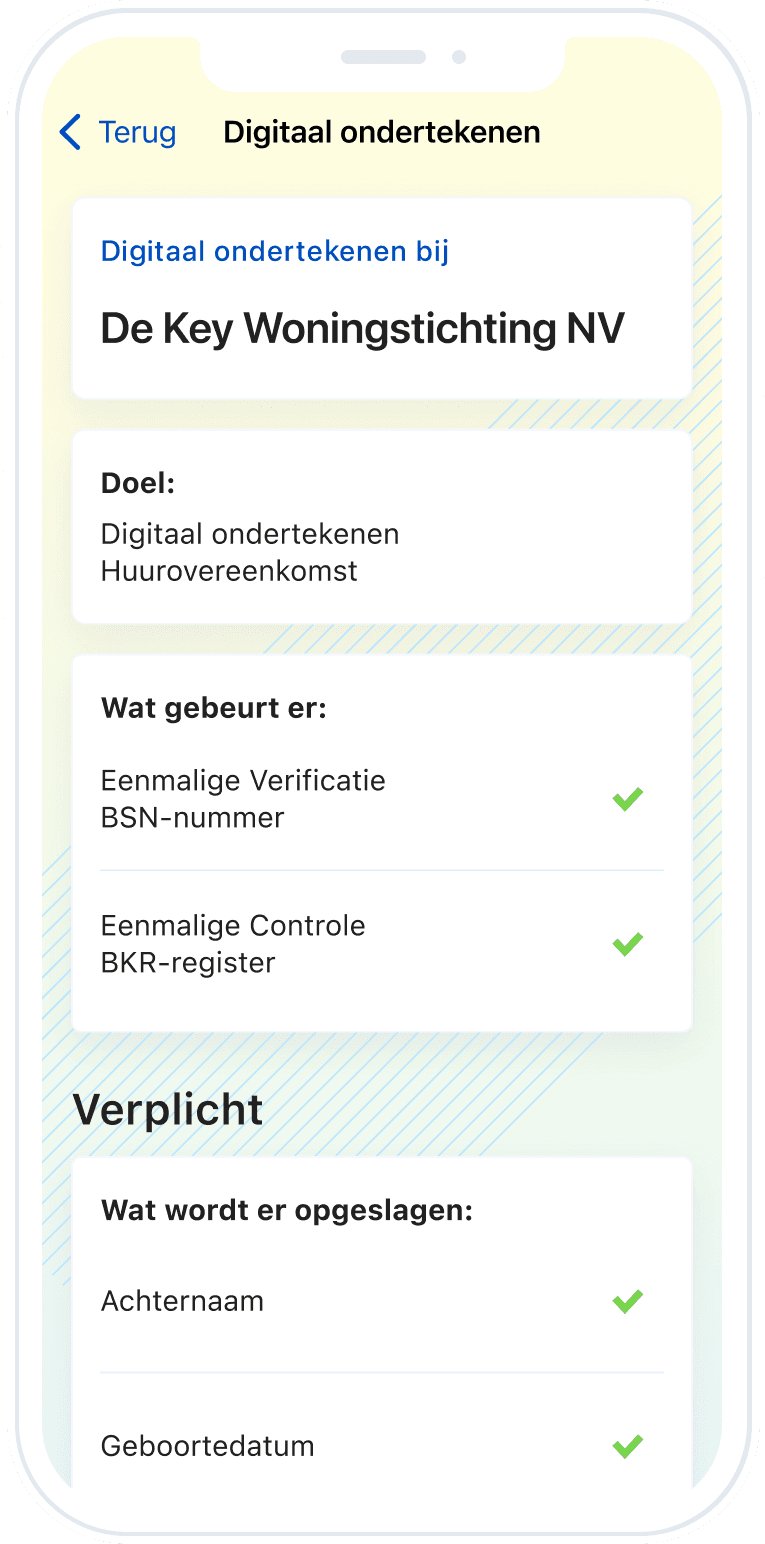
Grounding the concept in relatable scenarios helped users understand when and why they would use a digital ID-wallet. It also revealed exactly which steps needed clearer explanations and where additional reassurance was required.

Image
Scenario had users sign a rental contract
User Reactions Highlighted What People Need to Feel Confident
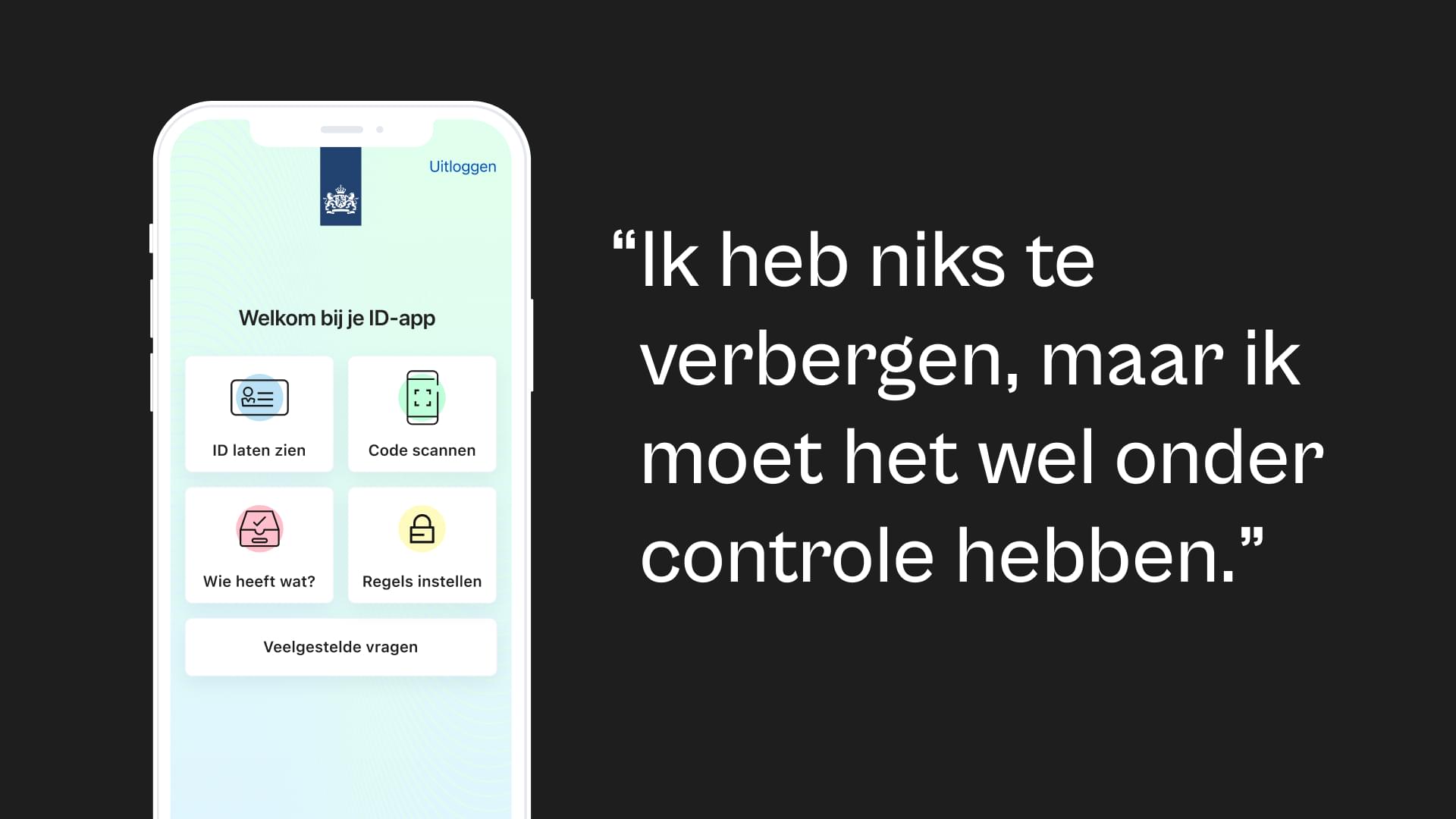
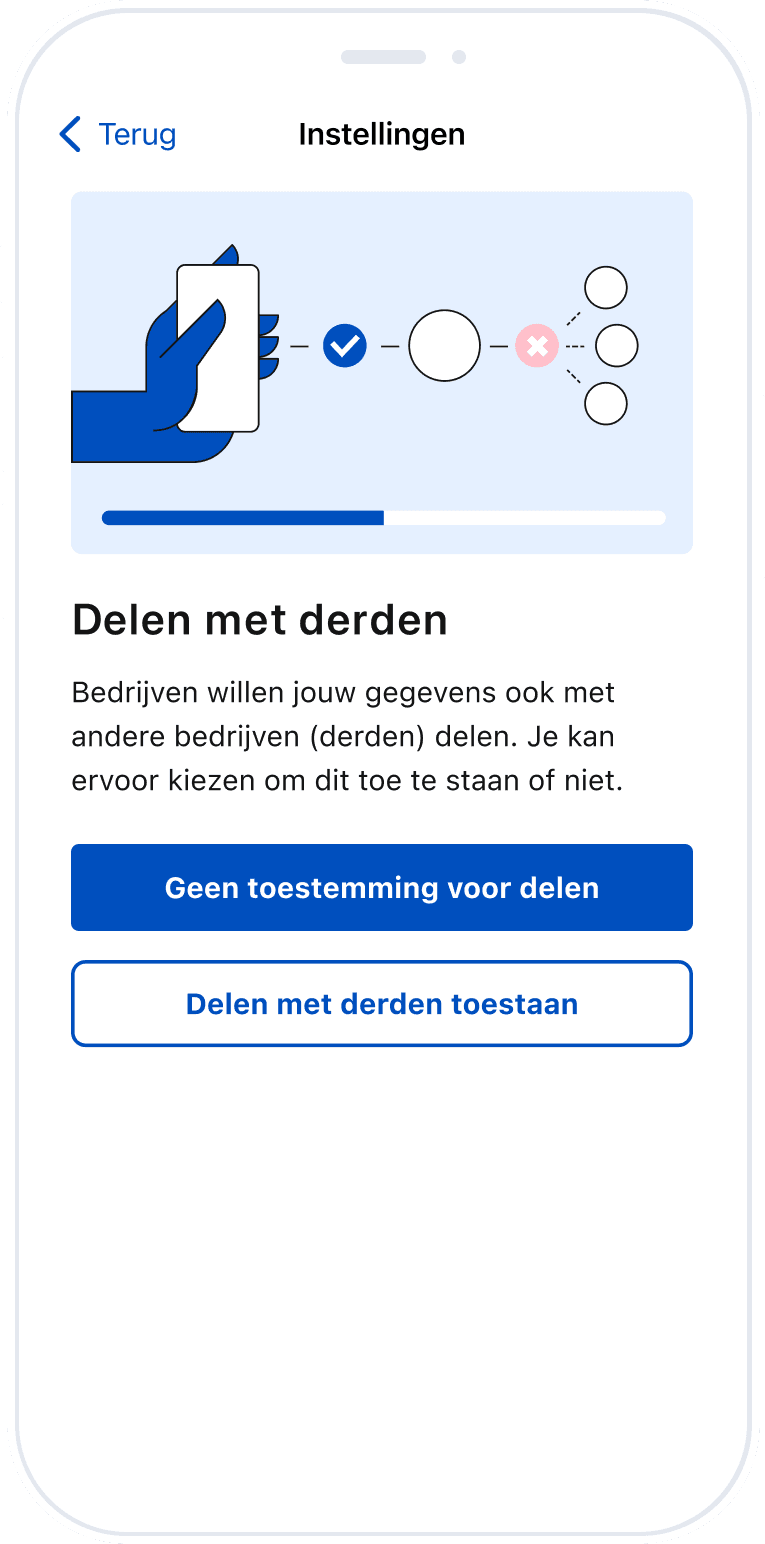
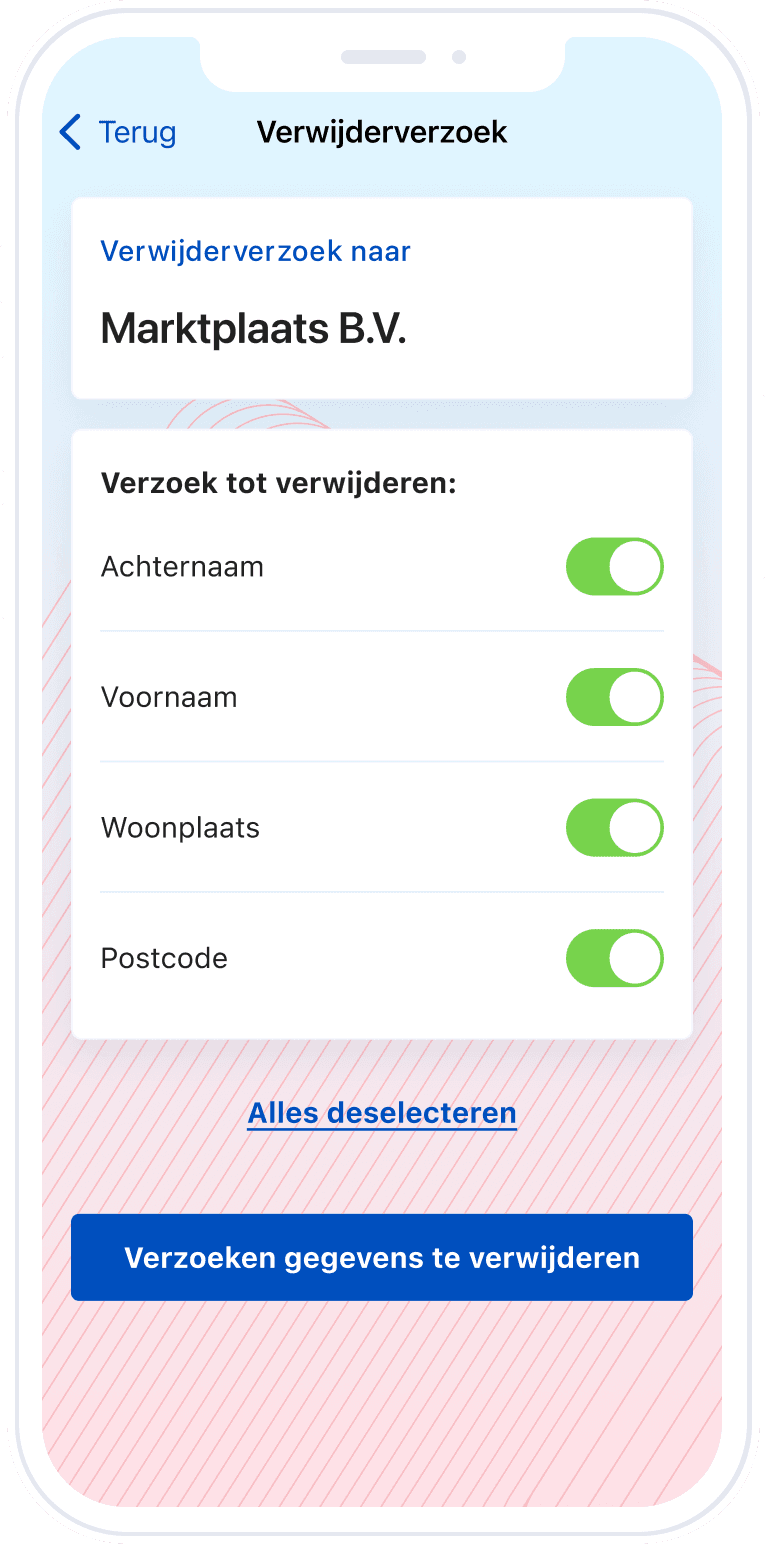
Testing the prototype with participants of different ages and digital skill levels showed clear patterns in how people evaluated the wallet. Users wanted clearer explanations of what data was being used, predictable steps and visible control before confirming an identity action. These insights pointed directly to where communication and guidance needed to be improved.

Presentation
Users preferred it when they stayed in control
Recommendations That Shaped the Next Step
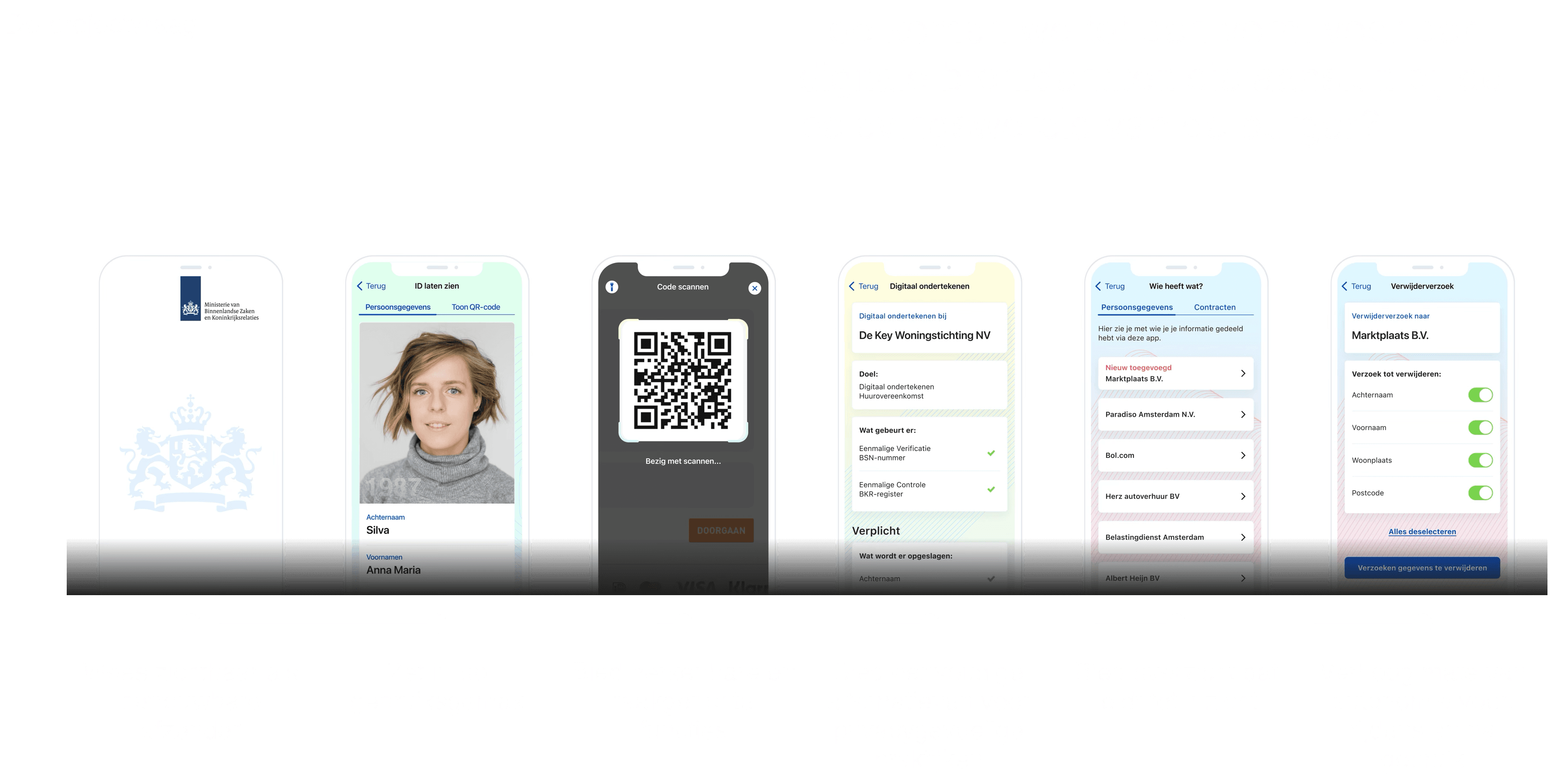
We synthesised the research into practical recommendations for how a digital ID-wallet should communicate, structure identity interactions and support users through moments that feel sensitive or unfamiliar. We were not part of later development, but early government explorations reflected many of these findings.
Presentation
Recommendations for a wallet app
This project sharpened my understanding of how people react in unfamiliar or sensitive identity moments. Seeing users move through the scenarios helped me recognise where clarity, pacing and control have the greatest impact. It reinforced the value of using early prototypes to expose these nuances before any direction is set.
Feel free to e-mail me
KvK. 87662019